Understanding pain
The mid and upper back
The middle and upper back gets less attention than the lower back or the neck, partly because it moves less and partly because it is well braced by the ribs. Yet an ache between the shoulder blades is a common complaint, especially among people who spend long hours at a screen or carry loads on their shoulders.
The thoracic spine
The spine is usually described in regions. Between the neck, or cervical spine, and the lower back, or lumbar spine, lies the thoracic spine. The National Institute of Arthritis and Musculoskeletal and Skin Diseases lists these regions in its overview of back pain, along with the parts they share: vertebrae stacked on top of one another, the spinal cord running through them, intervertebral discs that act as cushions and spacers, ligaments that hold the vertebrae in place, tendons that connect muscles to bone, and the muscles themselves.
What sets the thoracic region apart is the rib cage. Each rib meets the spine at small joints on either side, and together the ribs and breastbone form a sturdy frame around the heart and lungs. That frame makes the mid back stiffer than the regions above and below it. It rotates a little, bends forward and back a little, and does much of its work by holding the upper body steady while the neck and lower back move.
The muscles around the shoulder blades
The shoulder blades sit on the back of the rib cage and are held in place almost entirely by muscles. Some run from the spine out to the shoulder blades, some from the neck down to the shoulders, and long bands run the length of the spine on either side. Because these muscles hold the arms and shoulders in position, they are busy whenever the arms are in front of the body: typing, driving, cooking, carrying heavy shopping, or holding a phone at eye level.
When people talk about a "knot" between the shoulder blades, they are usually describing tight or tender muscle in this area rather than a problem with the bones themselves.
Habits often linked with mid-back aches
- Rounded sitting. Leaning towards a screen with the shoulders rolled forward keeps the upper back muscles working to hold the head and arms. The desk setup and posture pages look at this in more depth.
- One-sided carrying. A heavy bag always slung over the same shoulder, or a load always carried on the same hip, loads one side more than the other.
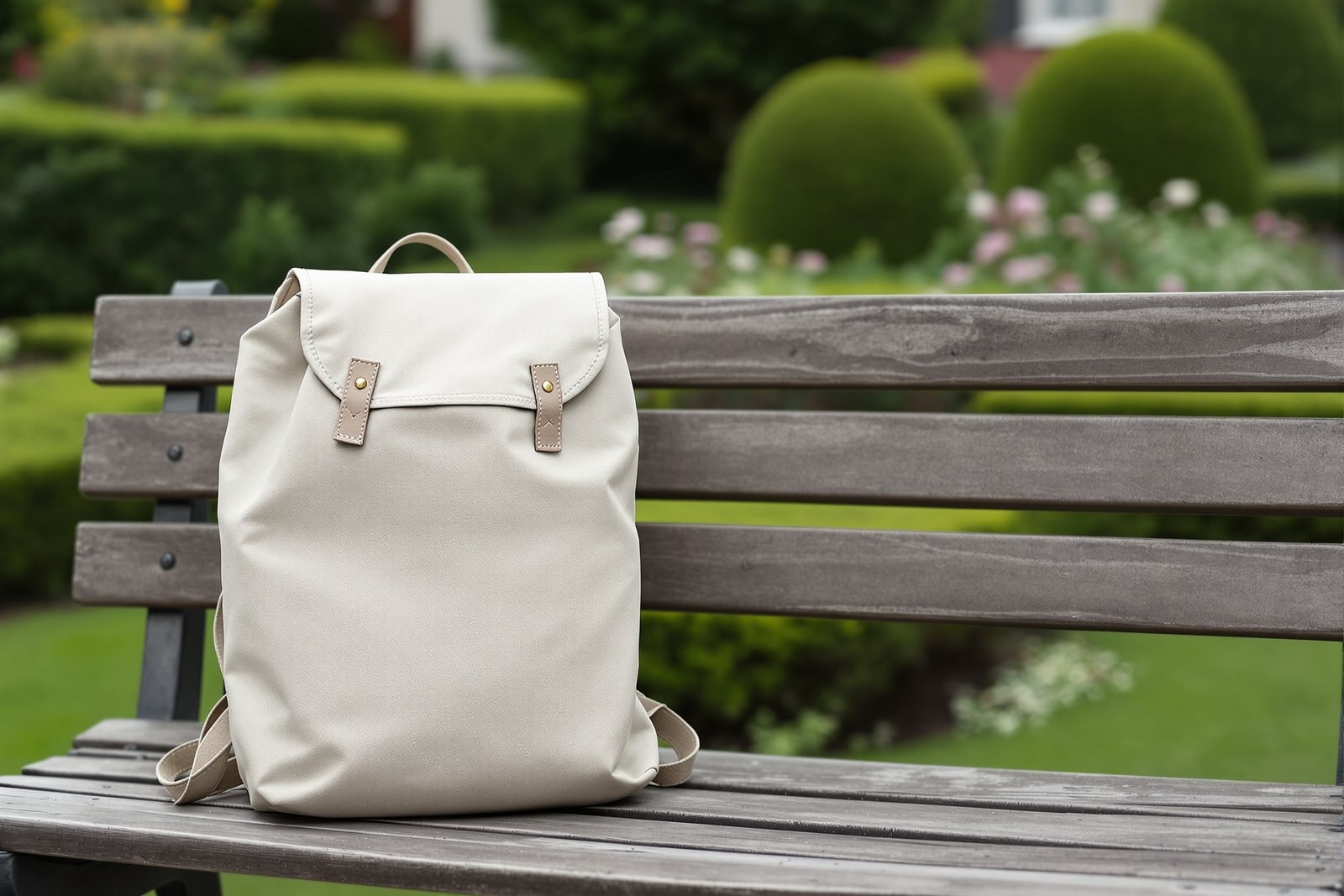
- Heavy backpacks. A pack carried low, loosely or on one strap pulls the shoulders back and down; carrying it high and snug on both straps spreads the load.
- Unfamiliar effort. Painting a ceiling, a long session of overhead work, or a new rowing or swimming routine can leave the upper back sore for a while afterwards.
- Stress and poor sleep. Public health guidance links both with muscle tension around the neck and shoulders, and with pain that feels more frequent or more severe.
When the source may be elsewhere
Pain felt in the mid or upper back does not always start there. OrthoInfo notes in its page on neck pain that in some people, problems in the neck may be the source of pain in the upper back, shoulders or arms. Pain in this area can also, less commonly, come from the heart, lungs or other organs rather than from muscles and joints. That is one reason why pain between the shoulder blades that arrives with chest pain, shortness of breath, sweating or nausea is treated as an emergency rather than a back problem.
Get it checked promptly
Some back and neck pain needs prompt medical care rather than waiting it out: pain that follows a fall, a crash or a hard blow; pain that comes with numbness, tingling or weakness in an arm or a leg; any loss of bladder or bowel control; pain that comes with a fever; and pain that is severe or keeps getting worse. The fuller list, drawn from MedlinePlus and the American Academy of Orthopaedic Surgeons, is on When to see a doctor.
Everyday approaches
For the ordinary, muscle-type ache, people commonly look at the habits above: breaking up long spells at a desk, bringing the screen and keyboard to a comfortable height, carrying loads on both sides, and staying generally active. Some people use heat, and some take over-the-counter pain medicine after checking with a pharmacist about what is suitable for them. If the ache keeps returning, is getting worse, or comes with any of the warning signs in the box above, a health care provider can examine the area and look for a cause.
For how the whole spine fits together, see the spine from top to bottom.